Key Takeaways
Quick Summary
Sales automation can take a lot of repetitive work off your team’s plate, from CRM updates and sequencing to prospect research and custom GTM workflows. The best fit depends on what you want to automate and how hands-on you want your team to be. This guide compares 10 of the best sales automation tools to consider in 2026, and here are our top 3:
Why Sales Automation Is Harder to Pick in 2026
Sales automation gets complicated surprisingly fast once you start shopping for it.
There are tools for almost every part of the sales process, and many of them promise to save your reps hours of manual work. Figuring out where each one fits is harder, especially when the software still needs someone on your team to connect workflows and keep them running.
A poor fit can mean months spent setting up a system your reps struggle to use. A good fit takes repetitive work off their plate and gives them more time to work active opportunities.
This guide compares 10 sales automation tools for 2026 based on what each one automates and how well it fits into a B2B revenue motion.
Why Listen to Us
We work with B2B SaaS teams that use sales automation every day, including Elastic Path, Machinery Partners, and Utila.
Elastic Path, for instance, automated 90% of outbound and removed 14 manual steps, while Machinery Partners generated $1.2 million in pipeline in three months. Utila runs Swan across 20 GTM users and has reached a 27% reply rate across 600 to 1,000 monthly sequences, giving us a practical view of what actually works in real sales workflows. Get started today.
10 Best Sales Automation Tools for 2026
Here's the full comparison table before we go into each tool.
1. Swan
Best for: B2B revenue teams that want to automate the manual work across their sales motion without stitching together multiple tools.
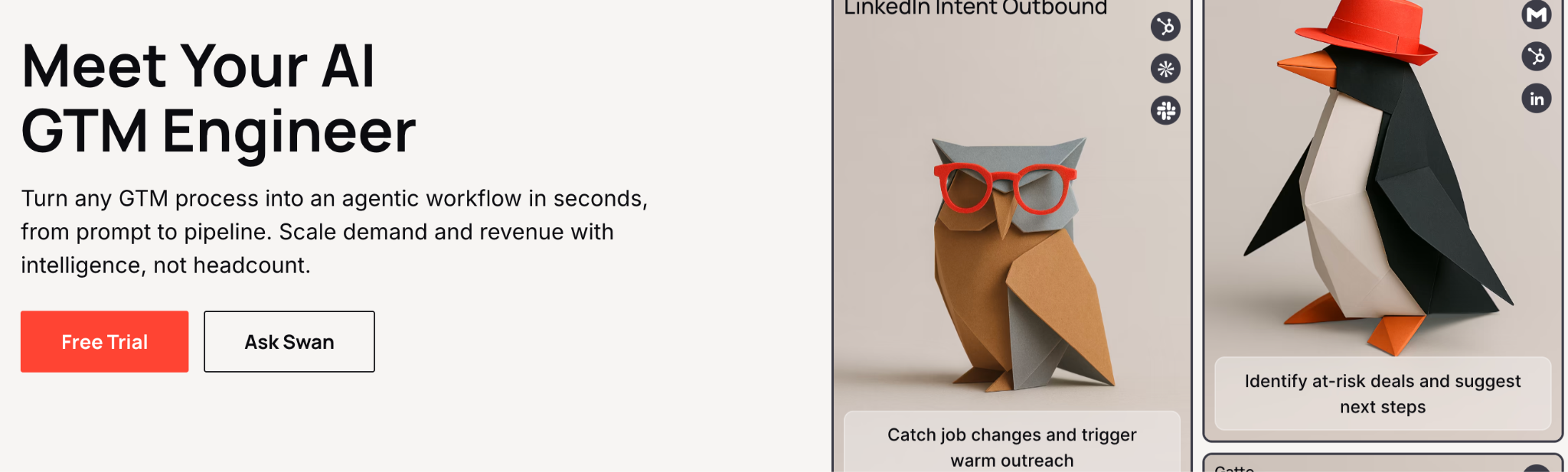
Swan is the AI GTM platform for B2B SaaS revenue teams. It monitors signals, researches accounts, and executes outreach automatically. Instead of your reps hopping between HubSpot, Clay, RB2B, and Zapier to piece together the next play, Swan runs the entire workflow inside one platform.
Your team describes each play in plain English, including the trigger and what Swan should do when it appears. Non-technical operators can build and adjust these workflows without waiting on engineering or maintaining a collection of Zapier automations.
That can include:
- Prospecting and account research
- Lead qualification and routing
- Follow-up for active deals
- ABM plays tied to account activity
- Expansion workflows for existing customers
When a signal reaches a rep in Slack, Swan has already handled the research and qualification, with a personalized message ready to go. The rep can review the work and send the message without piecing everything together manually.
Pricing: Starts at $100 for 625 credits. Free trial available.
Pros
- Executes automatically so reps stop hopping between the CRM, enrichment tools, and Slack
- Consolidates research, qualification, routing, and sequencing into one platform
- Runs across outbound, inbound, deals, ABM, and expansion
- Frees reps to focus on active conversations
- Free trial available
- Automates the full sales workflow, from prospect research to drafted outreach
Cons
- Less suited to teams that only want a narrow point solution like standalone sequencing or dialing
- Newer to the sales automation category than established platforms like Outreach or Salesloft
2. Clay
Best for: Technical GTM teams that want to build and control their own sales automation workflows.
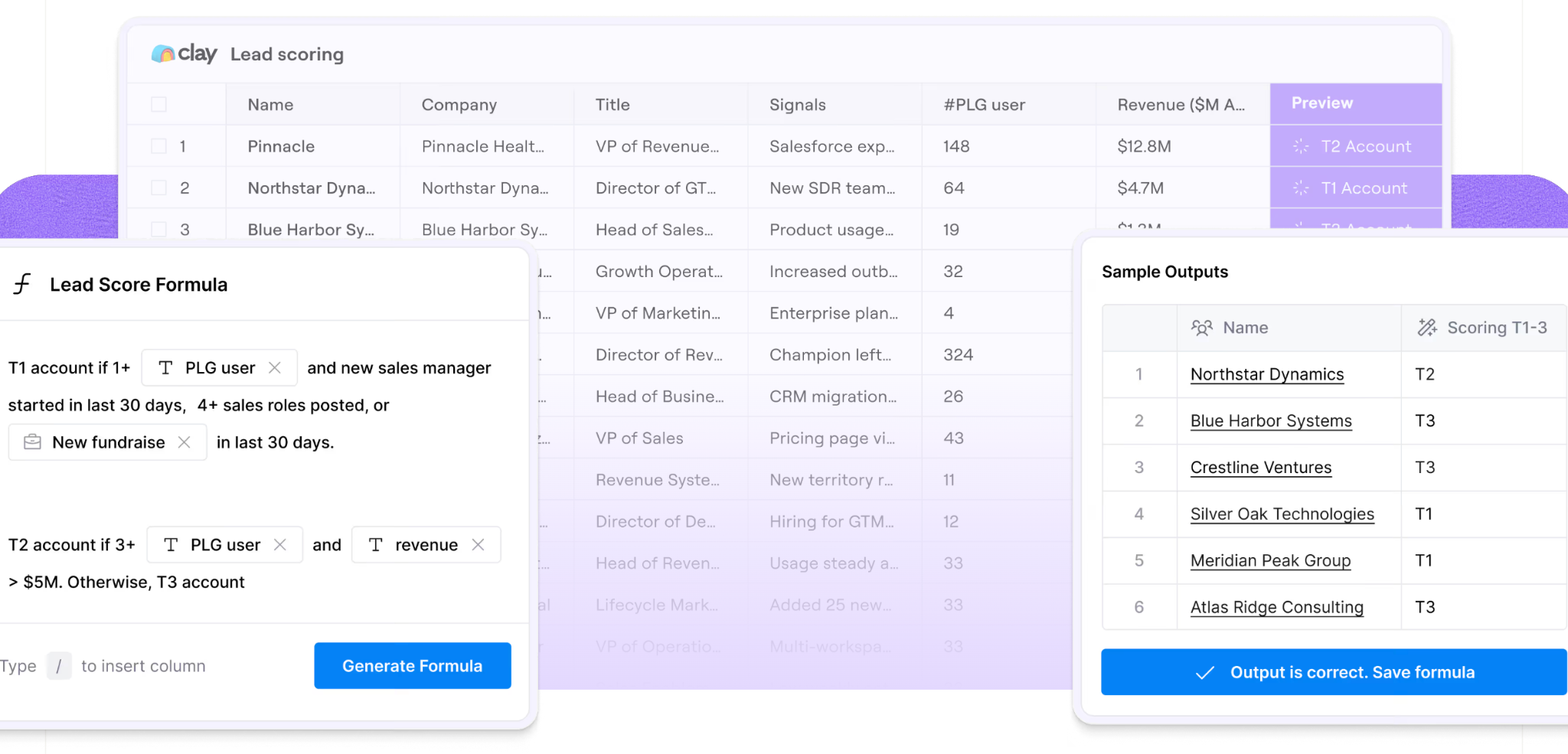
Clay gives operators a flexible workspace for enriching lead data and automating the research that happens before outreach. Its spreadsheet-style interface connects with more than 150 data providers, so teams can pull information from several sources and decide how that data moves through each workflow.
Technical teams often use Clay to build custom prospecting systems in-house. Claygent can also handle parts of account research, which cuts down on the manual work reps usually do before a sequence starts. Getting the most from the platform usually requires someone who is comfortable building and maintaining these workflows.
Pricing: A free plan is available. Launch costs $167 per month, and Growth costs $446 per month.
Pros
- Connects with 150+ enrichment providers
- Gives technical operators detailed control over workflow logic
- Supports waterfall enrichment for better data coverage
- Uses Claygent to automate parts of account research
- Offers a free plan for testing
- Includes a large template library
Cons
- Can be difficult for non-technical users
- Usually needs a skilled operator to manage workflows
- Credit usage can become expensive at higher volumes
- Requires a separate tool to send outreach
3. Apollo.io
Best for: SMB and mid-market sales teams that want prospect data and outbound automation in one subscription.
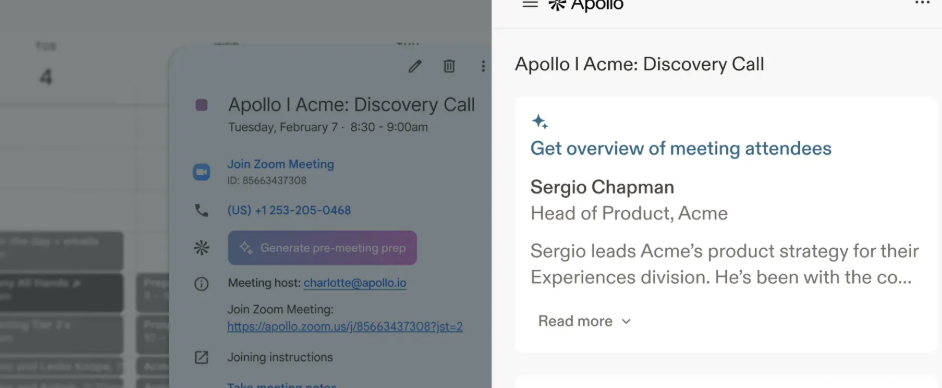
Apollo combines a large B2B contact database with tools for sequencing and calling. Smaller sales teams often use it to handle prospecting and mange outreach without buying several separate products.
The platform works well for straightforward outbound motions, especially when reps want to find contacts and move them directly into sequences. Teams with more complex engagement workflows may find dedicated platforms such as Outreach or Salesloft offer deeper controls.
Pricing: A free plan is available. Paid pricing is shown after login on Apollo’s website.
Pros
- Includes a large B2B contact database
- Combines prospecting with outbound sequencing
- Includes calling tools
- Offers a free plan for testing
- Can reduce the number of sales tools smaller teams need
- Includes a Chrome extension for prospecting
Cons
- Sequencing is less advanced than dedicated engagement platforms
- Data quality can vary by market
- Paid pricing is not easy to compare publicly
- May feel limited for larger enterprise teams
4. Outreach
Best for: Enterprise SDR teams that need tight control over sequences, deliverability, and reporting.
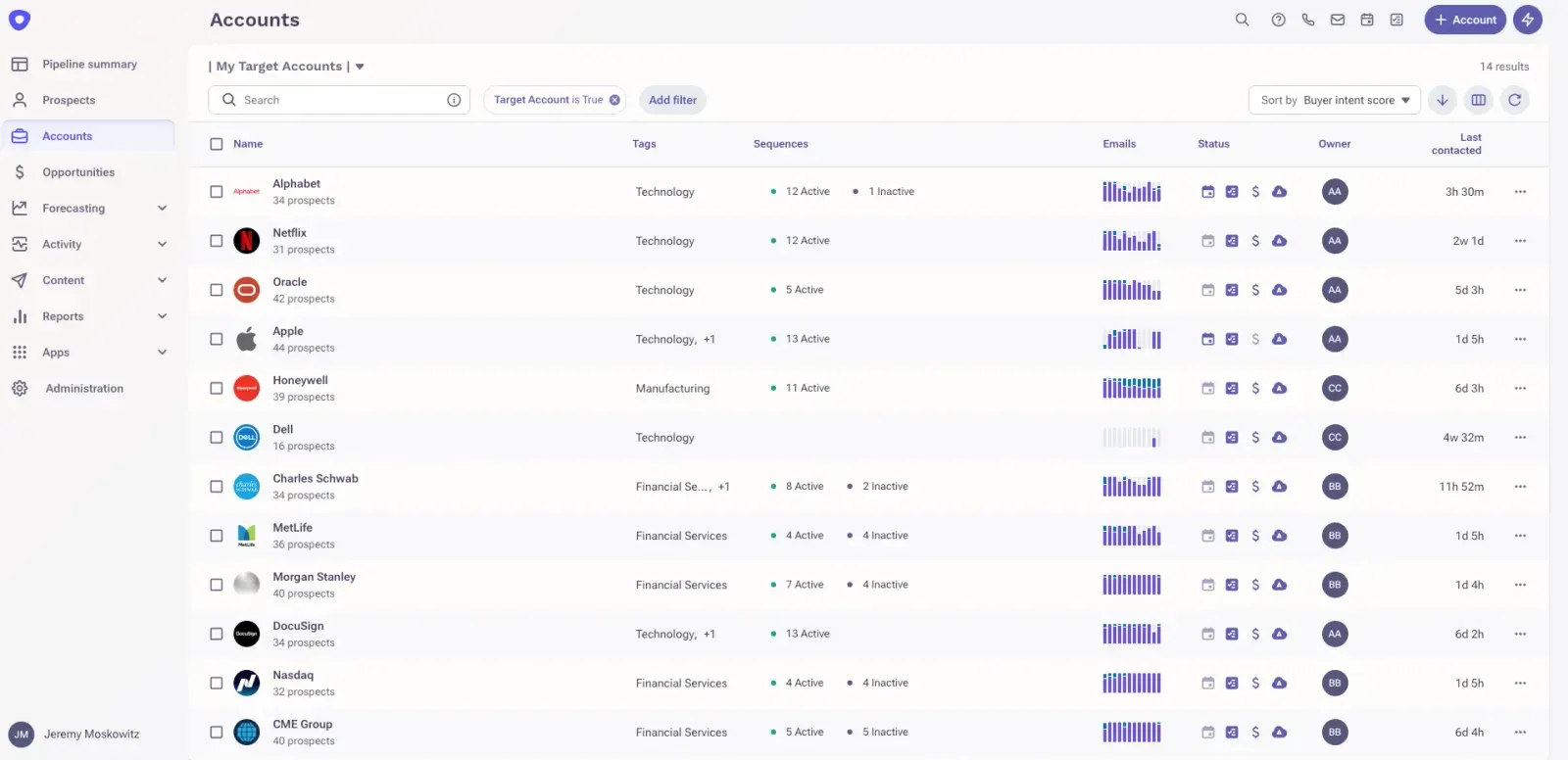
Outreach is built for large sales teams running structured outbound programs at scale. It helps leaders manage sequences, control what reps can send, and track performance across the team.
The platform works best when you already have prospect data and a mature CRM setup. It focuses on sales execution, so most teams pair it with separate data providers.
Pricing: Quote-based. Enterprise packages often start around $100 per user per month.
Pros
- Strong sequence governance and approval controls
- Deep Salesforce integration
- Built-in conversation intelligence
- Detailed reporting for revenue teams
- Supports large SDR organizations
Cons
- Requires a well-developed CRM setup
- Pricing is not published
- Implementation can take time
- Needs a separate prospect data source
5. Salesloft
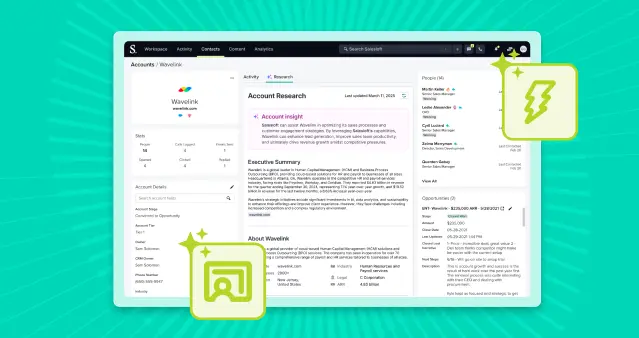
Best for: Mid-market and enterprise teams that want sales engagement connected to forecasting and pipeline visibility.
After merging with Clari in December 2025, Salesloft now combines sales engagement with a wider revenue view. Teams can manage sequences and conversations while also tracking forecasts and pipeline in the same system.
The combined platform can work well for teams that want execution and forecasting closely connected, though the merger is still shaping how some parts of the product fit together.
Pricing: Quote-based.
Pros
- Connects sales engagement with forecasting
- Gives teams a clearer view of pipeline
- Includes conversation intelligence
- Supports manager coaching
- Built for larger revenue teams
Cons
- Pricing is not published
- Some post-merger features may feel less integrated
- Product changes can make evaluation harder
- May be more than smaller teams need
6. Reply.io
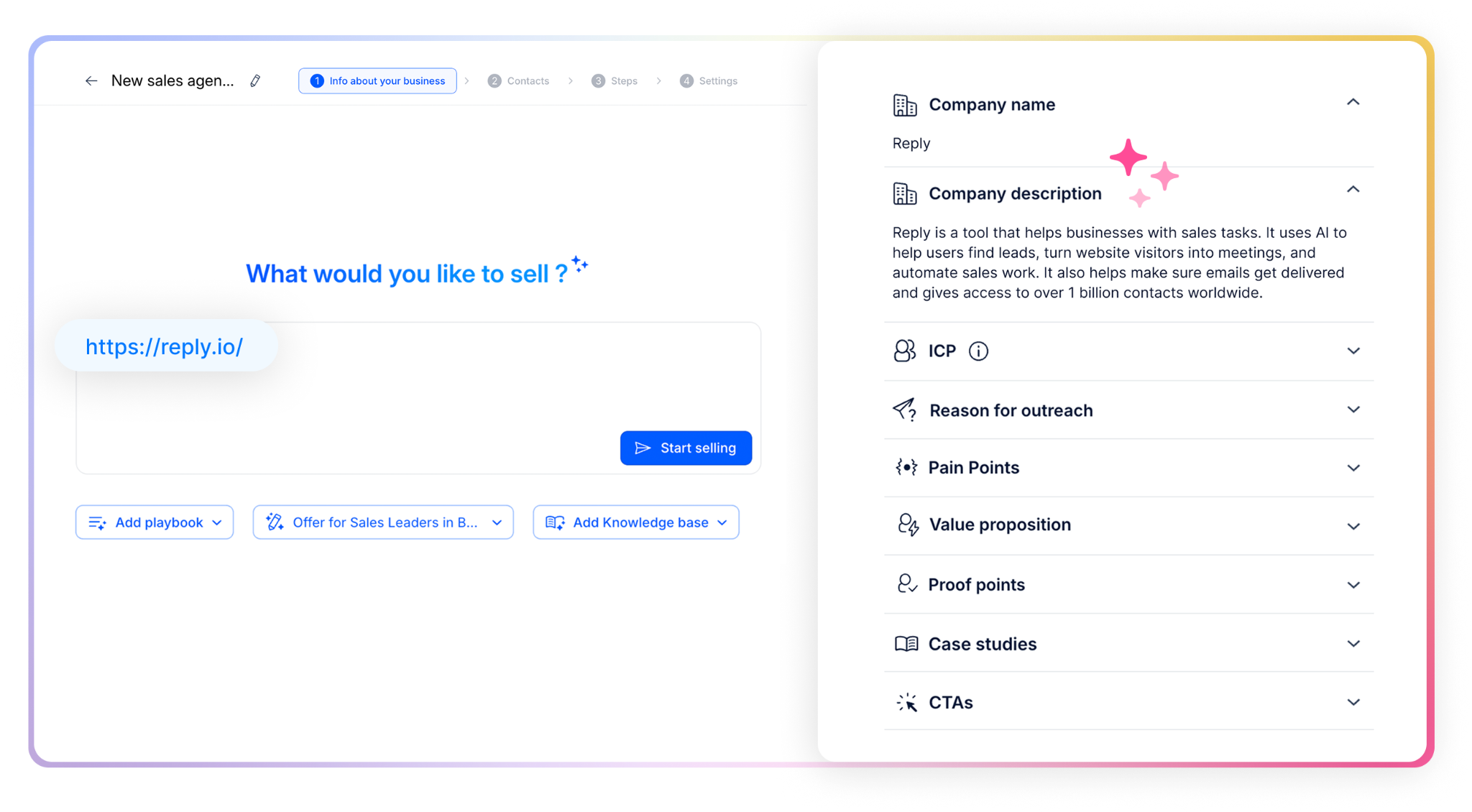
Best for: SMB and mid-market teams that want affordable multichannel sales engagement with published pricing.
Reply.io helps teams run outreach across email and other channels from one platform. It also includes a B2B contact database, email warmup tools, and Jason AI for drafting responses.
The platform is a good fit for teams that want more than basic email sequencing without moving into enterprise-level pricing.
Pricing: Starts at $89 per user per month.
Pros
- Published per-seat pricing
- Supports email, LinkedIn, WhatsApp, and SMS
- Includes a built-in B2B contact database
- Offers email warmup tools
- Jason AI can help draft replies
- Includes meeting booking
Cons
- Less suited to complex enterprise sequencing
- Contact data is less extensive than dedicated providers
- Multichannel setup can require extra configuration
- LinkedIn automation may create platform-policy concerns
7. HubSpot Sales Hub
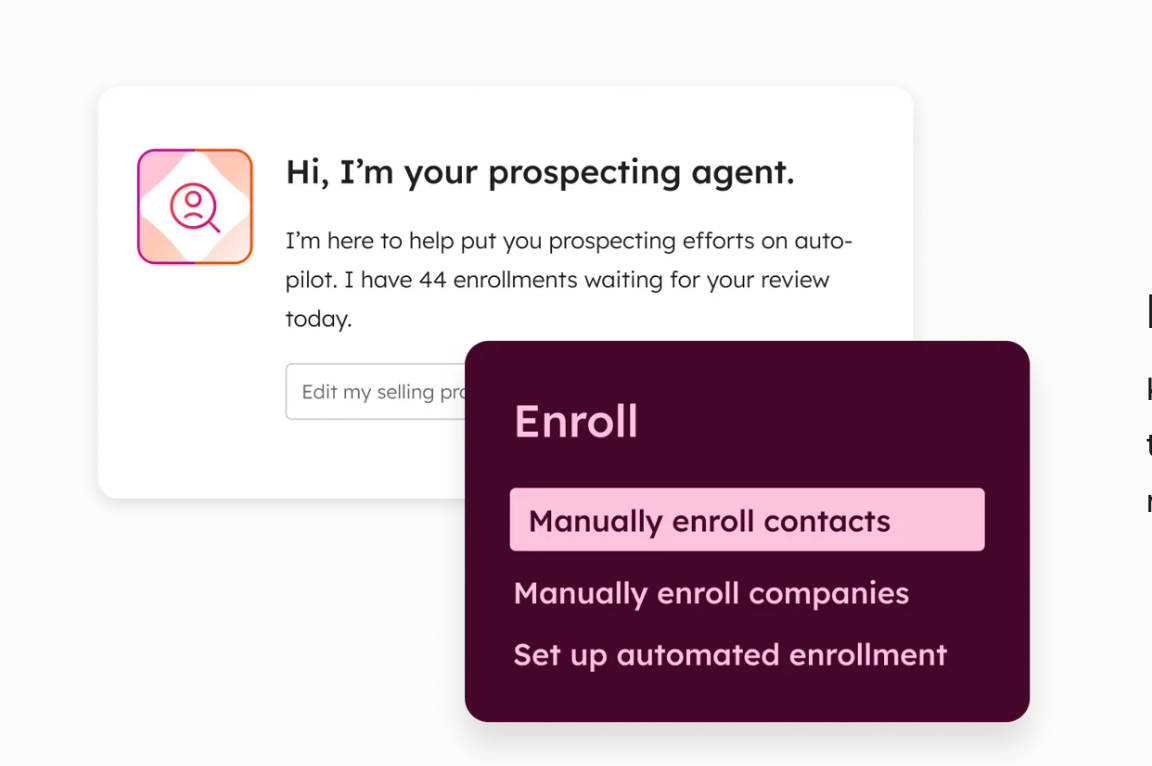
Best for: Growing B2B teams that want CRM and sales automation in the same system.
HubSpot Sales Hub lets teams run sequences, manage pipeline, and schedule meetings using the same CRM data that powers the rest of HubSpot. That makes setup simpler for companies already using HubSpot for marketing.
It works well for SMB and mid-market teams, though larger sales organizations may want deeper sequencing and governance controls.
Pricing: A free plan is available. Paid plans start at $10 per seat per month.
Pros
- CRM and sales automation in one system
- Easy for new teams to get started
- Published entry pricing
- Free plan available
- Connects closely with HubSpot Marketing Hub
Cons
- Sequencing is less advanced than dedicated engagement tools
- Advanced features require higher-tier plans
- Automation limits can become restrictive at scale
- Less suited to large enterprise sales teams
8. Salesforce Sales Cloud With Agentforce
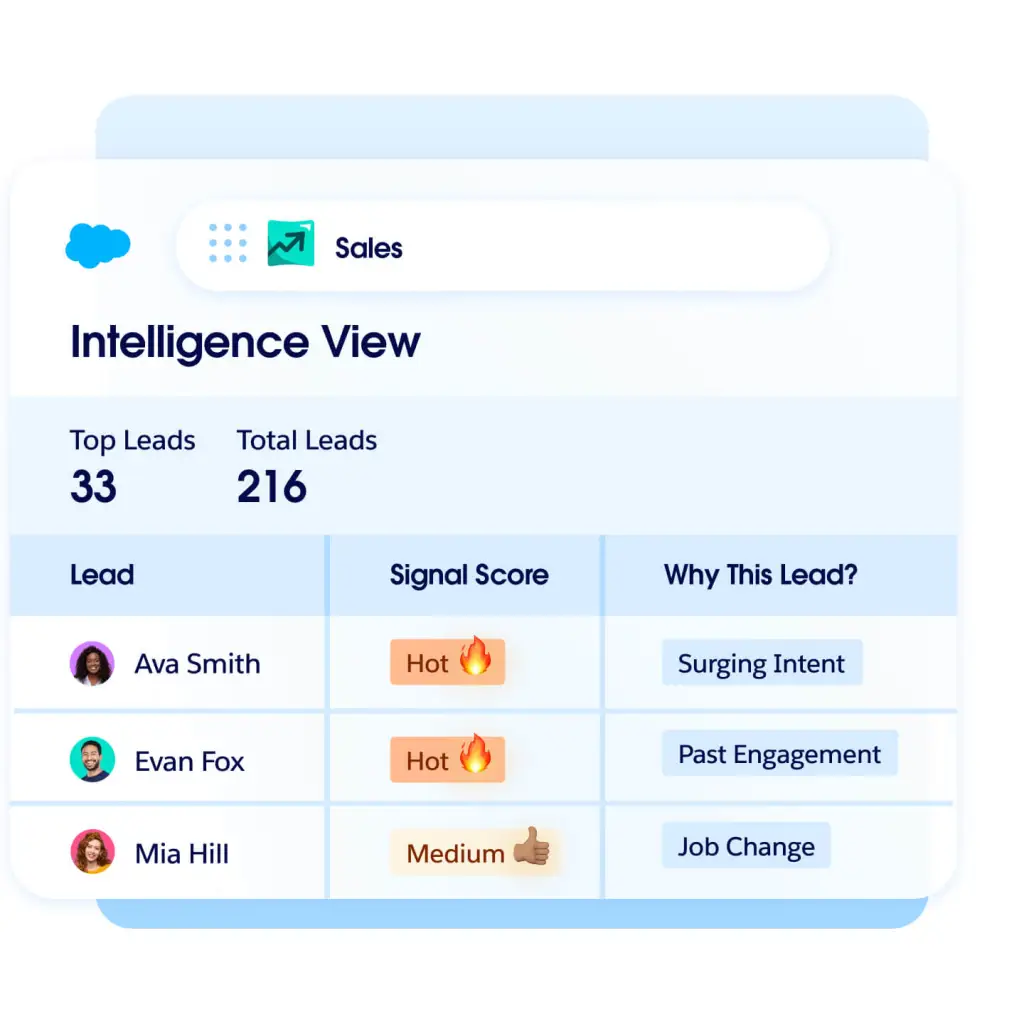
Best for: Enterprise teams already using Salesforce that want AI-driven sales automation inside their CRM.
Agentforce adds AI agents to Salesforce Sales Cloud, letting teams automate tasks such as lead qualification and data entry without moving work into another platform. Because the agents run inside Salesforce, they can use existing CRM data and workflows directly.
This makes the platform a natural fit for companies already invested in Salesforce. Teams on another CRM are less likely to get enough value to justify switching.
Pricing: Sales Cloud starts at around $25 per seat per month. Agentforce pricing is quoted separately.
Pros
- Runs directly inside Salesforce
- Automates common sales tasks
- Uses existing CRM data and workflows
- Fits well with enterprise Salesforce setups
- Supports custom development through Salesforce partners
Cons
- Best suited to existing Salesforce customers
- Agentforce adds extra cost
- Setup usually requires Salesforce admin expertise
- Can be less flexible than dedicated automation platforms
9. Gong
Best for: Sales teams that want to automate call analysis, coaching, and deal risk monitoring.
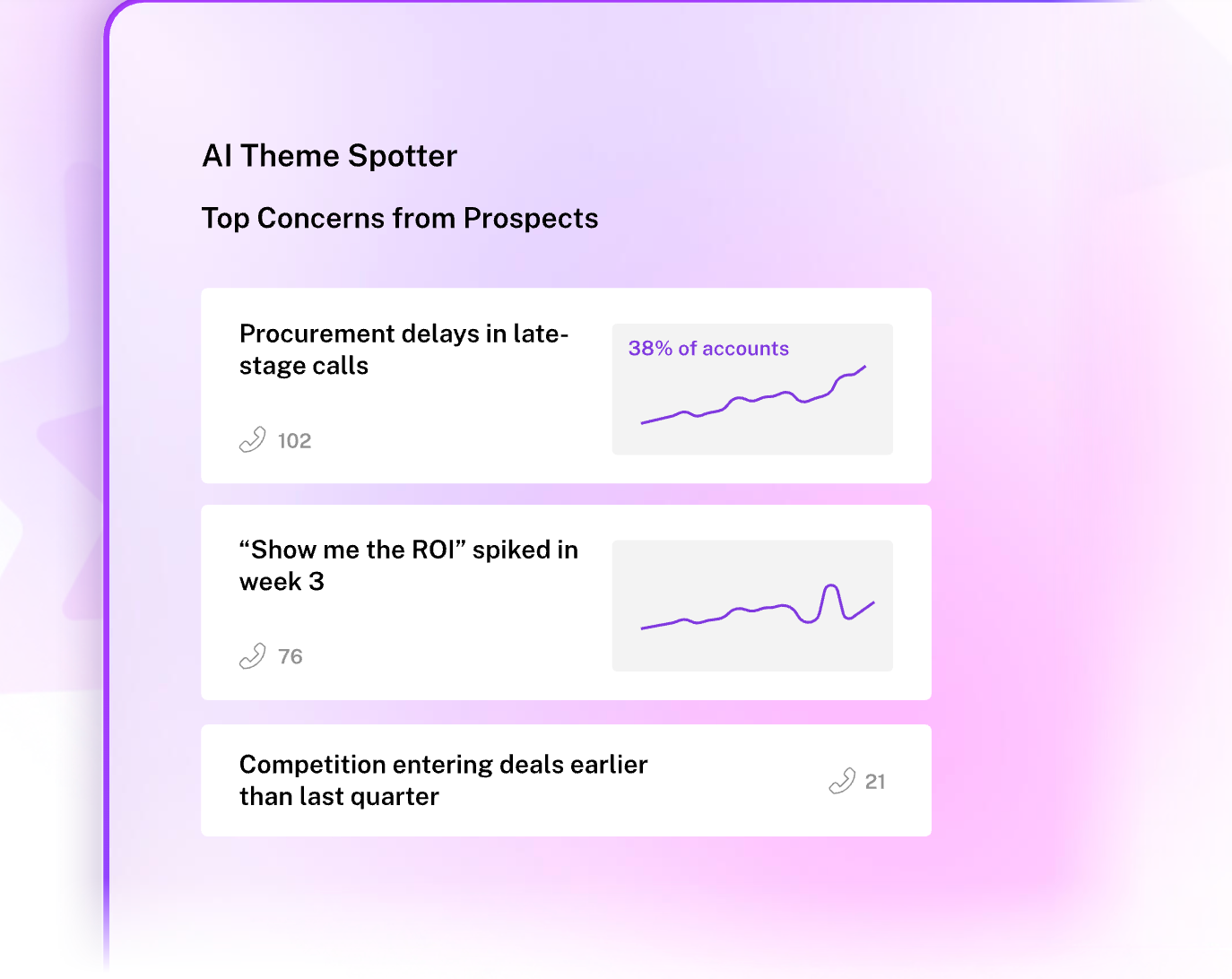
Gong records and analyzes sales conversations so managers can see what is happening across active deals. It can flag risk, surface coaching opportunities, and add call context to forecasting.
Gong focuses more on revenue intelligence than outbound automation, so teams often use it alongside a separate sales engagement platform.
Pricing: Quote-based.
Pros
- Records and transcribes sales calls automatically
- Flags deal risk based on conversation data
- Gives managers useful coaching insights
- Connects call activity with forecasting
Cons
- Pricing is not published
- Does not automate prospecting or outreach
- Value depends on consistent call recording
- May be more than smaller sales teams need
10. Amplemarket
Best for: Mid-market and enterprise teams that want AI-assisted prospecting with reps still in control.
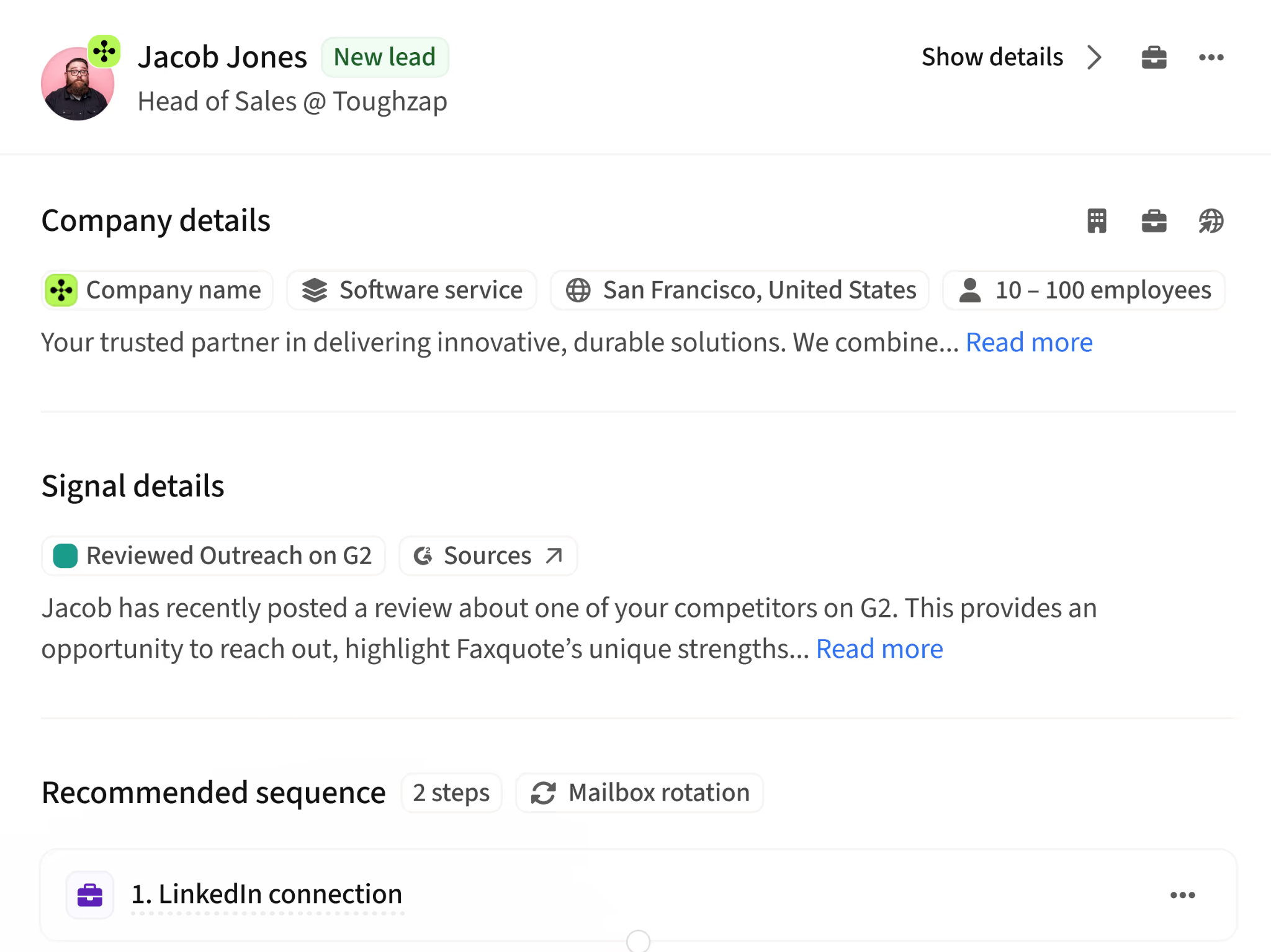
Amplemarket combines prospecting data with multichannel sales engagement and its Duo AI copilot. Duo can help with account research, signal detection, and outreach drafting, while reps review the work before it goes out.
This makes Amplemarket a good fit for teams that want to automate more of the prospecting process without removing the rep from the workflow.
Pricing: Quote-based.
Pros
- Combines prospecting data with sales engagement
- Uses AI to support research and outreach
- Keeps reps involved in message review
- Supports email, LinkedIn, and calling
- Rated 4.6/5 on G2 from 571+ reviews
Cons
- Pricing is not published
- Requires reps to stay involved in the workflow
- Teams may need training to get the most from Duo
- Can be expensive for smaller sales teams
Build Your Sales Automation Engine With Swan
Swan is the AI GTM platform that automates outbound, inbound, and lifecycle workflows without your team stitching together multiple tools. Describe what you want to happen, and Swan runs it.
Your reps stop drowning in manual research and routing, and start focusing on active conversations.
Ready to see what Swan could build for your team? Start your free trial today.


Did you know?
Cool Fact
FAQs
What Is the Best Sales Automation Tool for B2B Teams in 2026?
The best fit depends on what your team wants to automate. Swan works well for teams that want a custom pipeline engine built for them, while Outreach suits larger SDR teams that need tighter sequence control. Apollo.io is a strong option for smaller teams that want prospect data and sequencing together.
Do Sales Automation Tools Work for Small Teams?
Yes. HubSpot Sales Hub starts at $10 per seat per month, and Apollo offers a free plan. Small teams usually get the most value from a tool that can cover several parts of the sales process without adding more software to manage.
What’s the Difference Between Sales Automation and AI SDR Tools?
AI SDR tools focus mainly on outbound prospecting. Sales automation can cover a wider set of workflows across CRM, sequencing, deal support, and other revenue tasks. Most tools help reps handle repetitive work faster, while some AI SDR platforms automate more of the outbound motion.
Can Sales Automation Replace SDRs Entirely?
Some platforms aim for full automation, but many teams use sales automation to take repetitive work off their reps. That can include account research, routing, or drafting outreach, leaving reps more time to focus on active conversations.
How Is Swan Different From Other Sales Automation Tools?
Most sales automation tools give you the building blocks. You still have to connect the workflows and keep them running. Swan is different because it executes the full play automatically, from detecting a signal to sending a personalized message. Your reps see qualified accounts in Slack with the research already done and the outreach drafted.
How Long Does Sales Automation Take to Set Up?
Self-serve tools can often be running the same day. Larger enterprise platforms may take several months to deploy. Swan sits closer to the self-serve end, with non-technical operators typically running their first workflow within a day of starting the free trial.
How Much Does Swan Cost?
Swan starts at $100 for 625 credits. A free trial is also available so you can test workflows before committing to a plan.