Key Takeaways
Quick Summary
Buying signal software can track website activity, third-party intent, job changes, and other signs of buyer interest. The right choice depends on which signals help your team find real opportunities and how much follow-up you want the platform to handle. Here are our top three picks:
Why Buying Signal Software Is Hard to Pick in 2026
Your GTM team probably doesn’t need another buying signal. It needs a better way to turn the signals it already has into pipeline.
A prospect can visit your website or start researching your category, giving your reps useful context for outreach. The problem starts when that activity becomes another Slack notification waiting for someone to investigate it and decide what to do next.
Buying signal software can help close that gap, but the tools vary quite a bit in what they actually do. Some are built mainly to detect activity, while others connect signals to the workflows that follow.
This guide compares 10 buying signal software tools for 2026, with a practical look at what each one does and where it could fit into your GTM motion.
Why Listen to Us
Swan works with B2B SaaS teams including Elastic Path, Machinery Partners, and Utila, giving us a close view of how buying signals turn into pipeline in real GTM workflows.
Elastic Path automated 90% of outbound, Machinery Partners generated $1.2 million in pipeline in three months, and Utila reached a 27% reply rate across 600 to 1,000 monthly sequences. Those results come from building signal-driven systems around how each team actually sells. Get started today.
10 Best Buying Signal Software for 2026
Here's the full comparison table before we go into each tool.
1. Swan

Best for: B2B revenue teams that want signals to trigger action automatically instead of dead-ending at a Slack notification.
Swan acts as an AI GTM platform for B2B SaaS revenue teams, monitoring more than 25 buying signals per account, including intent data, website activity, personnel changes, funding events, and tech stack changes.
Instead of sending each signal to your reps as a separate alert, Swan pulls related activity together into a single account story.
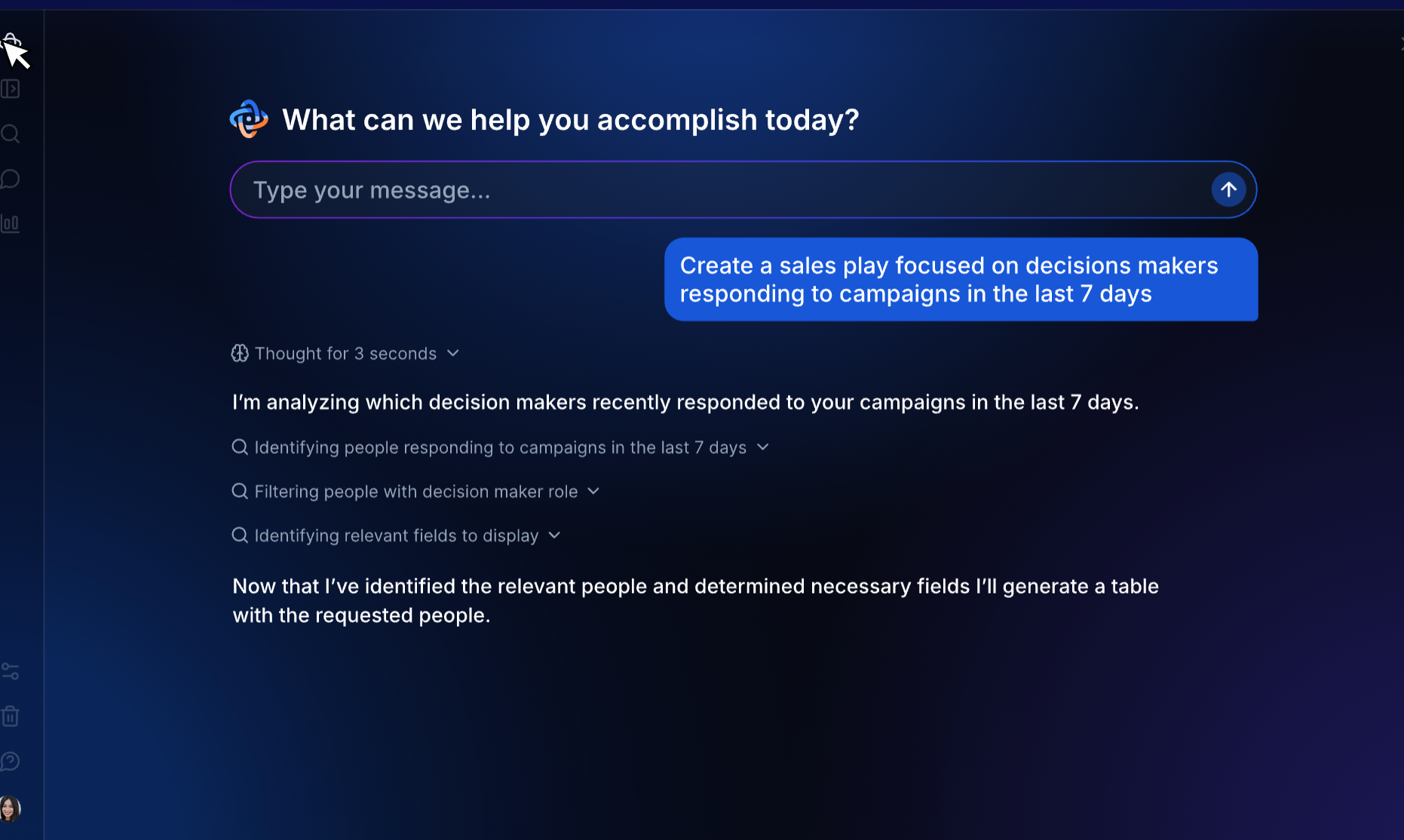
From there, Swan executes automatically. It researches the account, drafts the message, and puts the play in front of the right rep. Non-technical operators configure signal-to-play rules in plain English, so your team can adjust logic as your ICP evolves without waiting on engineering.
Depending on your GTM motion, Swan can run plays across:
- Outbound prospecting when target accounts show buying signals
- Inbound qualification when new leads come in
- Deal support based on activity from active opportunities
- ABM triggers when strategic accounts show relevant activity
- Expansion signals from existing customers
The result is a signal-driven motion where reps see qualified accounts with the research and outreach already prepared, not a growing list of alerts to investigate.
Pricing: Platform pricing starts at $100 for 625 credits, with a free trial available.
Pros
- Tracks more than 25 buying signals per account across intent, firmographic, technographic, and behavioral sources
- Combines related signals into a single account story instead of separate alerts
- Executes outreach automatically instead of leaving reps to act on the signal
- Configured in plain English with no engineering required
- Runs across outbound, inbound, deals, ABM, and expansion
- Reduces the number of separate signal tools your team needs to maintain
- Free trial available for teams to test on real signals
Cons
- Less suited to teams that only want raw signal data
- Best fit is B2B SaaS revenue teams building a signal-driven motion
2. Common Room
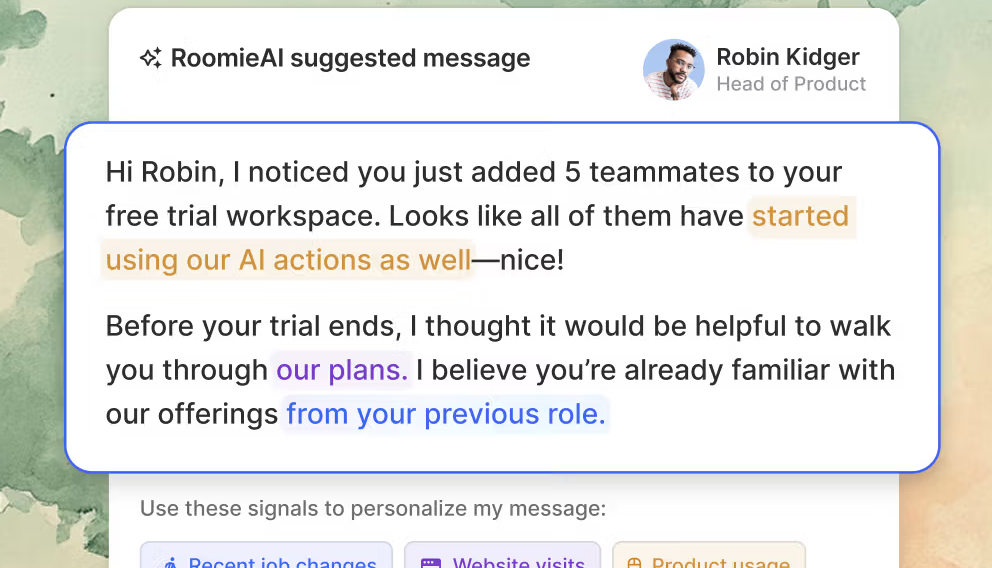
Best for: B2B teams that want to track buying signals across communities, social channels, their website, and CRM.
Common Room brings buyer activity from different sources into one place and connects it back to people and accounts. It works especially well for developer-led or community-driven companies whose buyers spend time in Slack communities, Discord servers, or GitHub.
Your team can use that activity alongside website and CRM data to spot accounts showing interest. Common Room can also identify some anonymous website visitors and enrich contacts before sending them to your CRM.
Pricing: Starts at around $625 per month, with enterprise pricing available on request.
Pros
- Brings community and website signals into one place
- Connects buyer activity back to accounts
- Identifies some anonymous website visitors
- Gives reps useful account context
- Tracks activity across multiple communities
- Connects with popular CRM and sales tools
Cons
- Starting price may be high for smaller teams
- Works best when your buyers are active in communities
- Website visitor identification is not its main focus
- Signal workflows may require ops support
3. 6sense
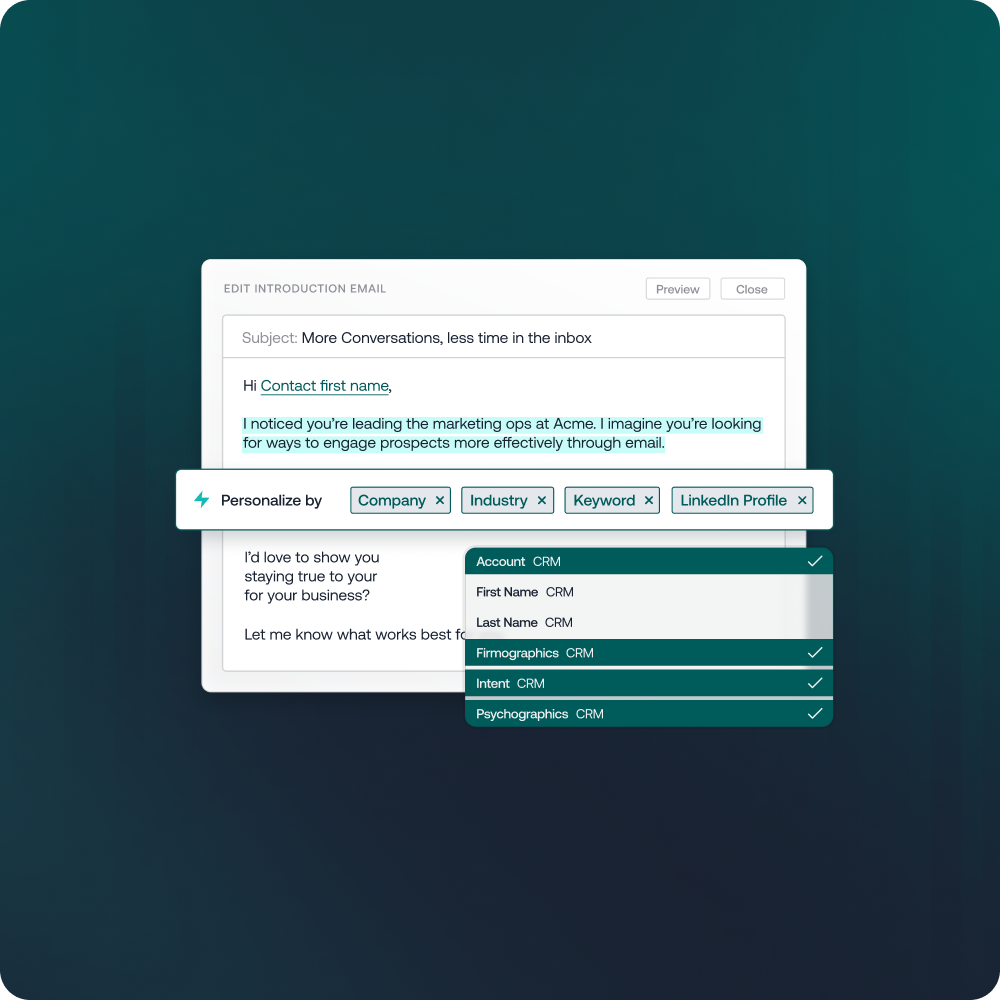
Best for: Enterprise ABM teams that want intent data, account scoring, and campaign orchestration in one platform.
6sense helps revenue teams identify accounts that may be moving through a buying cycle. It combines intent and engagement data with account information, then uses predictive scoring to help teams decide where to focus their sales and marketing effort.
The platform is built mainly for larger ABM programs that have the people and budget to manage it. Smaller teams may find the setup and cost harder to justify.
Pricing: A free plan is available with limited credits. Enterprise contracts can range from $60,000 to $200,000+ per year.
Pros
- Scores accounts based on buying activity
- Shows where accounts may be in the buying process
- Brings intent and engagement data together
- Supports ABM advertising and campaign orchestration
- Offers a free plan for testing
- Connects with a wide range of GTM tools
Cons
- Enterprise contracts can be expensive
- Setup may require dedicated ABM or ops support
- Can be more complex than smaller teams need
- Implementation can take several months
4. Warmly
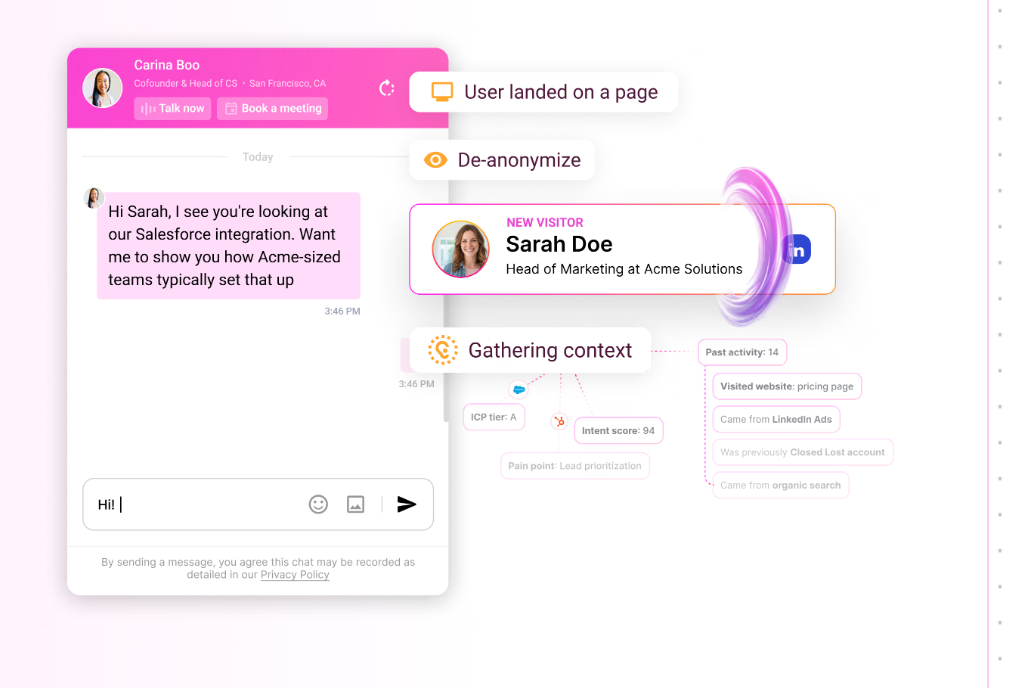
Best for: Mid-market B2B teams that want website visitor identification connected to inbound and outbound plays.
Warmly helps teams identify people visiting their website and use that activity to trigger follow-up. Its inbound tools can engage visitors through chat and meeting booking, while its outbound tools use account signals to start prospecting plays.
This makes Warmly a good fit for teams that want visitor identification and sales action connected in the same platform. Access to more advanced automation depends on the plan you choose.
Pricing: A free plan includes 500 de-anonymized visitors per month. The TAM plan starts at $15,000 per year, and Inbound starts at $30,000 per year. Full GTM pricing is available on request.
Pros
- Identifies some website visitors at the person level
- Connects visitor activity to inbound and outbound plays
- Includes chat and meeting booking
- Uses multiple data providers for contact enrichment
- Offers a free plan for testing
- Supports third-party intent data on higher plans
Cons
- Paid plans can get expensive
- Advanced automation requires higher tiers
- International identification coverage may be more limited
- Some integrations and features are restricted to higher plans
5. RB2B
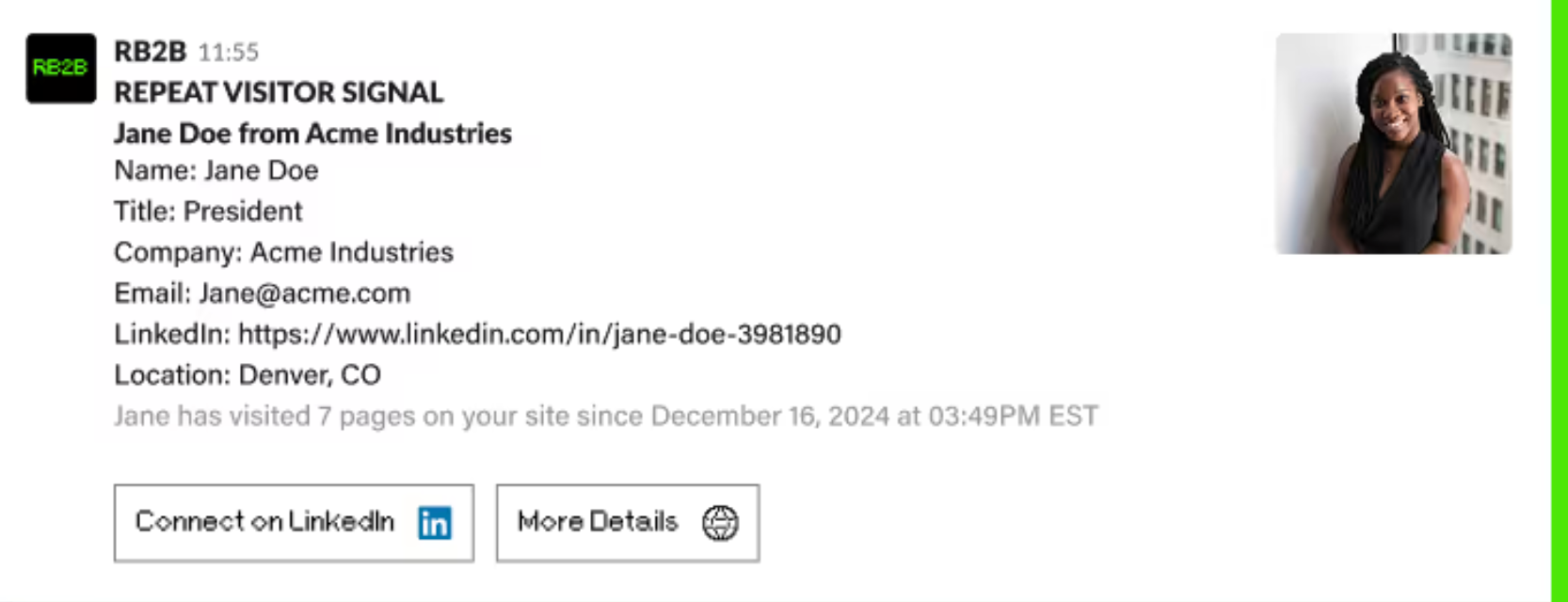
Best for: SMB and mid-market teams that want a simple way to identify US website visitors and send that activity to sales.
RB2B identifies some anonymous website visitors and connects them to individual LinkedIn profiles. When a match is found, your team can receive the activity in Slack and follow up soon after the visit.
Setup involves adding a script to your website, and the self-serve pricing makes RB2B relatively easy for smaller teams to try. Its main constraint is geographic coverage, since person-level identification is focused on US traffic.
Pricing: A free plan is available for company-level identification. Paid plans range from $79 to $999 per month.
Pros
- Identifies some US visitors at the person level
- Sends website activity to Slack in real time
- Offers self-serve monthly pricing
- Requires a simple website script to get started
- Connects with popular CRM and sales tools
Cons
- Person-level identification is focused on US traffic
- Does not include third-party intent data
- Limited account orchestration features
- Free plan only includes company-level identification
6. Bombora
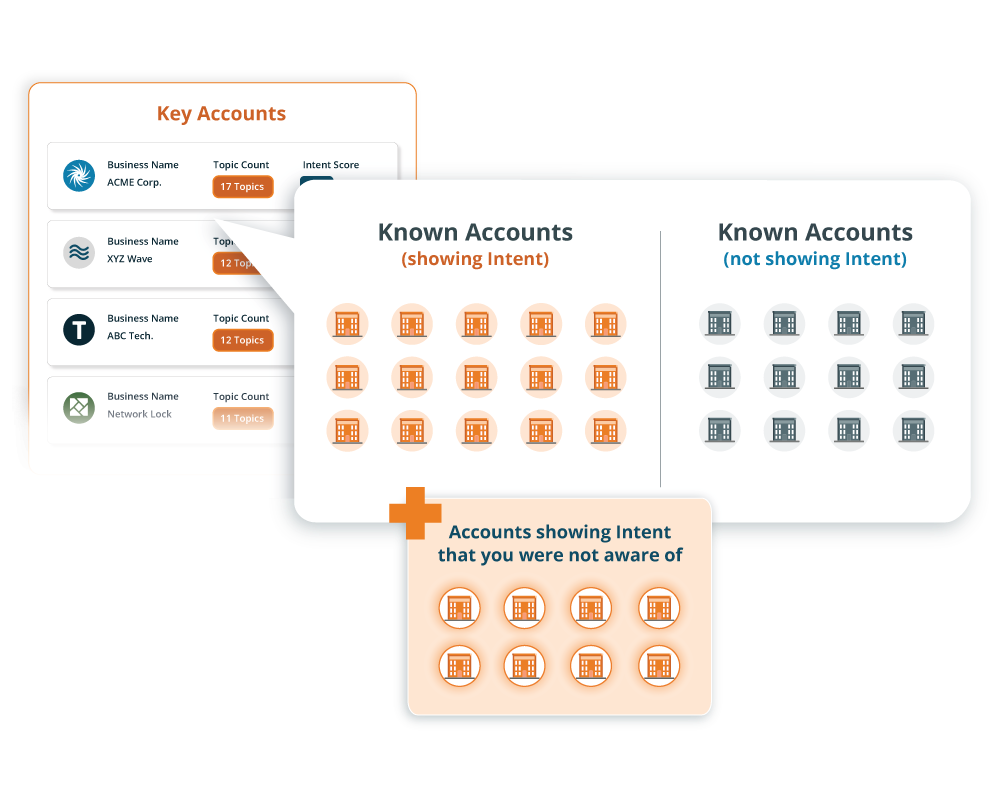
Best for: B2B marketing and RevOps teams that want third-party intent data based on the topics accounts are researching.
Bombora tracks research activity across a large network of B2B publisher sites. Its Company Surge data can show when an account is consuming more content than usual around topics related to your product, giving your team an early sign of possible buying interest.
Bombora mainly provides the signal itself. Your team will typically need a CRM, sales engagement tool, or another platform to turn that intent data into personalized outreach.
Pricing: Starts at around $25,000 per year.
Pros
- Tracks account research across thousands of B2B topics
- Helps identify spikes in topic-level interest
- Connects with many popular GTM platforms
- Fits well into existing ABM programs
- Provides third-party intent beyond your own website
Cons
- Starting price may be high for smaller teams
- Requires other tools to act on the signals
- Broad topics can create less relevant signals
- Works best when you already have a process for activating intent data
7. UserGems
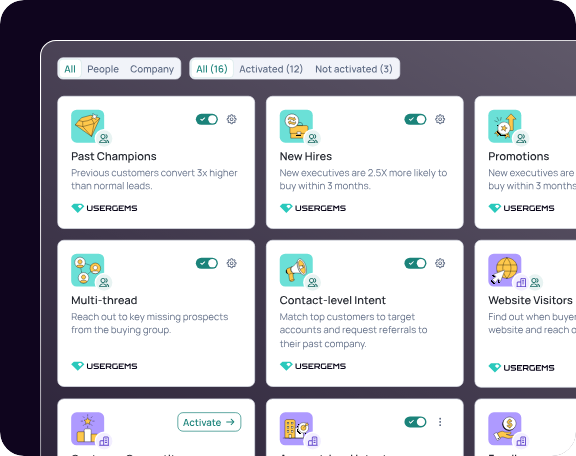
Best for: Revenue teams that want to track champion job changes alongside other account signals and use them for outbound.
UserGems can alert your team when former customers or champions move to new companies, creating a natural opportunity to reconnect. It also tracks more than 20 other signals, including hiring activity, funding events, and company changes.
Its Gem-E AI SDR can use those signals to create outbound sequences, helping teams connect detection with follow-up. UserGems works with both Salesforce and HubSpot and is mainly priced for mid-market and enterprise teams.
Pricing: The Core plan starts at $3,000 per month. Enterprise plans range from roughly $33,000 to $120,000 per year.
Pros
- Tracks champion and customer job changes
- Covers more than 20 buying signals
- Creates outbound sequences from detected signals
- Works with Salesforce and HubSpot
- Helps teams reconnect with former customers
Cons
- Starting price may be high for smaller teams
- Implementation can add to the upfront cost
- Champion tracking depends on having enough CRM contact history
- Some signals may need additional filtering
8. Champify
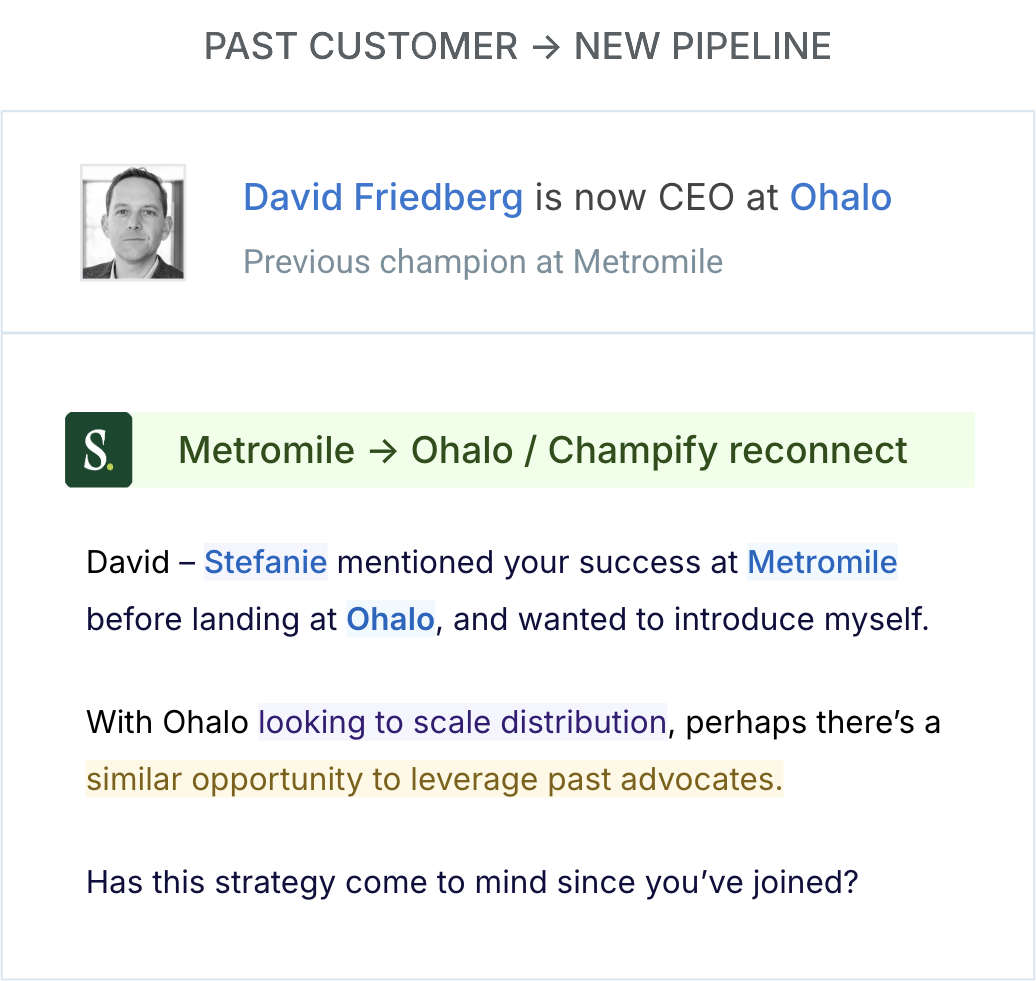
Best for: Salesforce teams that want to track when former customers and champions move to new companies.
Champify focuses on relationship and job-change signals from the contacts already in your CRM. When a past customer or champion joins another company, the platform surfaces the move so your team can reconnect with someone who already knows your product.
Its Salesforce-first approach keeps much of that activity inside the CRM. This makes Champify a good fit for teams with a large contact history, although teams looking for many different signal types may need additional tools.
Pricing: Core costs $2,000 per month, Pro costs $3,000 per month, and Enterprise costs $6,000 per month.
Pros
- Tracks champion and customer job changes
- Works directly with Salesforce
- Updates CRM records as contacts move
- Uses existing relationships to surface potential opportunities
- Offers clear published pricing
Cons
- Built primarily for Salesforce teams
- Focuses mainly on relationship and job-change signals
- Starting price may be high for smaller teams
- Works best with a well-established CRM contact base
9. G2 Buyer Intent
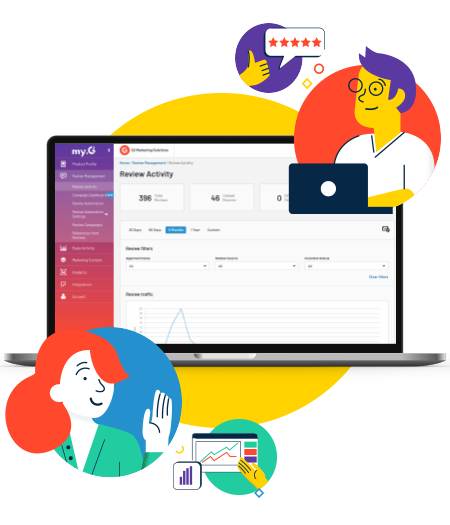
Best for: B2B SaaS teams that want intent signals from buyers researching software on G2.
G2 Buyer Intent shows when accounts are researching your product, category, or competitors on G2. Since the activity comes from buyers already evaluating software, these signals can give sales teams useful context about accounts that may be getting closer to a purchase.
The data can feed into popular CRM and ABM platforms, making G2 Buyer Intent a useful addition to an existing signal stack. Its coverage is limited to activity on G2, so teams often pair it with other intent sources.
Pricing: Available on request.
Pros
- Captures software research activity on G2
- Shows when accounts research competitors
- Tracks category and product interest
- Connects with popular CRM and ABM platforms
- Provides signals tied directly to software evaluation
Cons
- Only captures research happening on G2
- Pricing requires a quote
- Coverage depends on buyer activity within your G2 category
- Often works best alongside other signal sources
10. Demandbase
Best for: Enterprise B2B teams that want buying signals connected to a larger ABM program.
Demandbase combines account identification and intent data with tools for prioritizing accounts and running ABM campaigns. It can also help teams identify buying groups and use account activity to decide where sales and marketing should focus their attention.
The platform has considerable overlap with 6sense and is designed mainly for established enterprise ABM teams. The best fit often depends on your existing tech stack and how you plan to use intent data across your campaigns.
Pricing: Enterprise pricing is available on request.
Pros
- Combines account identification with intent data
- Scores and prioritizes target accounts
- Helps identify buying groups
- Supports advertising activation
- Connects with G2 Buyer Intent
- Integrates with Salesforce and Marketo
Cons
- Enterprise pricing may be too high for smaller teams
- Requires time and resources to implement
- Works best with dedicated ABM or ops support
- Can be more complex than teams with simpler signal needs require
Turn Your Buying Signals Into Pipeline With Swan
Buying signals only matter if your team can act on them fast enough. Swan is the AI GTM platform that closes that gap. It monitors signals, researches the account, drafts the message, and hands your rep a ready-to-send play in Slack. Send is the rep's only step.
Ready to see how Swan could work for your team? Start your free trial today.


Did you know?
Cool Fact
FAQs
What’s the Difference Between Buying Signal Software and Intent Data?
Intent data tracks research behavior that suggests an account may be interested in a topic or category. Buying signal software can also track website visits, job changes, community activity, and other account signals.
How Much Does Buying Signal Software Cost?
Pricing ranges from under $100 per month for some self-serve tools to $60,000+ per year for enterprise platforms. Swan starts at $100 for 625 credits, with a free trial available for teams to test on real signals.
Do I Need Multiple Buying Signal Tools?
It depends on the signals you want to track. Many teams combine tools for website activity, intent data, or job changes, while platforms like Swan can bring different signals into one pipeline engine.
Which Buying Signal Tool Is Best for SMB Teams?
RB2B is a good starting point for SMBs that want website visitor identification. Teams that want signals to trigger automated outreach can consider Swan, and you can get started with a free trial.
How Fast Does Buying Signal Software Surface New Signals?
Website signals can appear within seconds, while job changes and third-party intent may take longer. The exact timing depends on the signal source and how often its data updates.